
TRAINING
1. Kids Fitness
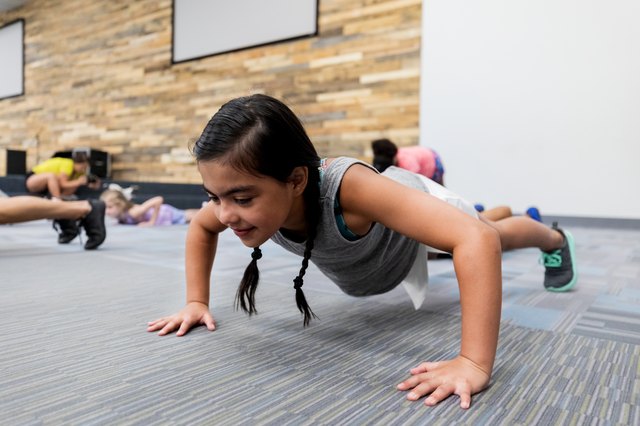
- Children of all ages can benefit from being physically active.
- Physical activity is essential for good physical and mental health and wellbeing.
- Children spend time sitting at school, doing homework and reading and it’s important to strike a balance and to find more opportunities for them to move.
- We encourage a mix of activities to strengthen kids muscles, bones and to also increase their breathing and heart rate.
- Their brain will develop vital connections, leading to improved concentration, thinking skills and also can improve cognitive function.
- Praise and encourage your child when they are being active.
- Be active yourself and involve the whole family.
2. General Fitness for all age group
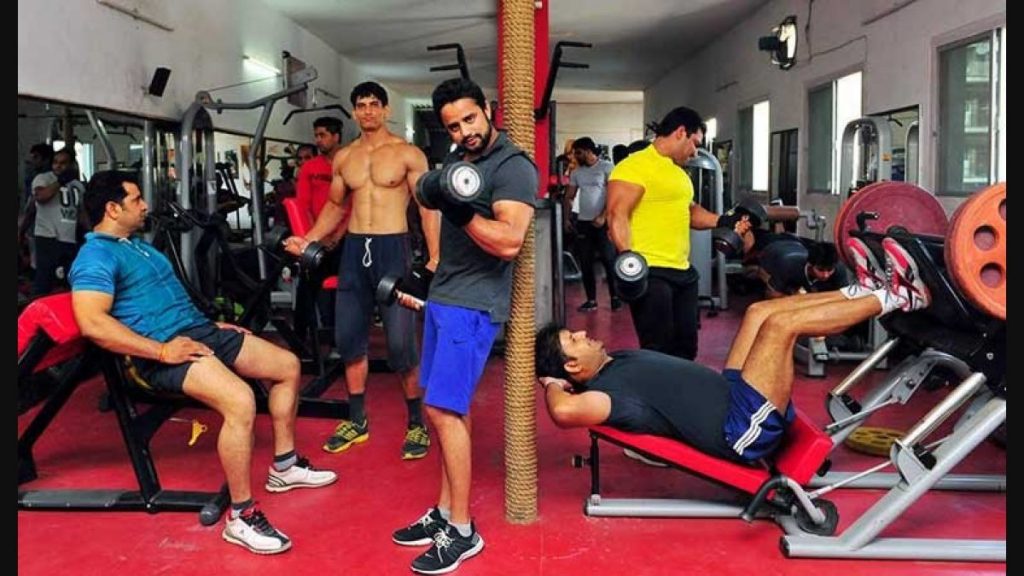
- Exercise plays an important role in controlling your weightand preventing obesity. It strengthens your heart and improves your circulation. The increased blood flow raises the oxygen levels in your body. This helps lower your risk of heart diseases such as high cholesterol, coronary artery disease, and heart attack. Regular exercise can also lower your blood pressure and triglyceride levels.
- Exercise can lower your blood sugar level and help your insulin work better. This can cut down your risk for metabolic syndrome and type 2 diabetes. And if you already have one of those diseases, exercise can help you to manage it.
- Regular exercise can help kids, teens and senior citizens build strong bones. Later in life, it can also slow the loss of bone density that comes with age. Doing muscle-strengthening activities can help you increase or maintain your muscle mass and strength. Exercise can help you to fall asleep faster and stay asleep longer.
3. Sports specific Fitness

An athlete will be fit overall. A good athlete can be a cricketer, tennis player, badminton player, Swimmer, Cricket player, Squash player, Football player, or a good player in any sorts. For any sport, a person requires speed, mobility, flexibility, strength, endurance hence, you need to be very strong in these areas. So we specifically focus on all these areas to make you the best performer in your sport.
We will focus on all these areas and train you to become more stronger and we will customise training load accordingly.
Individualization fitness training along with daily specific sports practice requires for performance on the competitions or to win the championships. Each sports person has physiological and psychological attributes that need to be considered when developing a fitness training plan.
Sports have a huge impact on a person’s daily life and health and an invitation to participate in an exciting sport would motivate you to get moving. Indulging in physical activity like sports improves your heart function, reduces the risks of diabetes, lowers tension and stress, and controls blood sugar.
Playing sports helps you build muscles and improves your coordination and muscle memory. There are more health and fitness benefits of sports, such as sport pushes you to challenge yourself, it exposes you to the highs and lows of losing and winning a game, improves your balance and reduces the risk of falls, and overall sports can help you to feel good about yourself.
To be fit is a good way to perform well on the competitions and we highly recommend you play at least a game you love the most twice a week for good mental health.
4. Athletic training

Individualization requires that the coach consider the athlete’s abilities, potential, and learning characteristics, regardless of the individual performance level, we select the event and we train them based on what suit to them.
The training plan must be based on a comprehensive analysis of the athlete’s physiological and psychological parameters, which will give the coach insight into the athlete’s work capacity
An athlete who is ill or injured will have a reduced work capacity and often will not be able to tolerate the prescribed training loads. The type of illness or degree of injury and the physiological base converge to determine the training load that the athlete can tolerate. We will monitor the athlete’s health status to determine an appropriate training load
For example, heavy involvement in school, work, or family activities can affect the athlete’s ability to tolerate a training load. Travel to and from work, school, or training can further contribute to stress levels. We will consider these factors and adjust the training load accordingly. For example, during times of high stress, we examinations, a reduction in training load may be warranted.
5. Boot camp
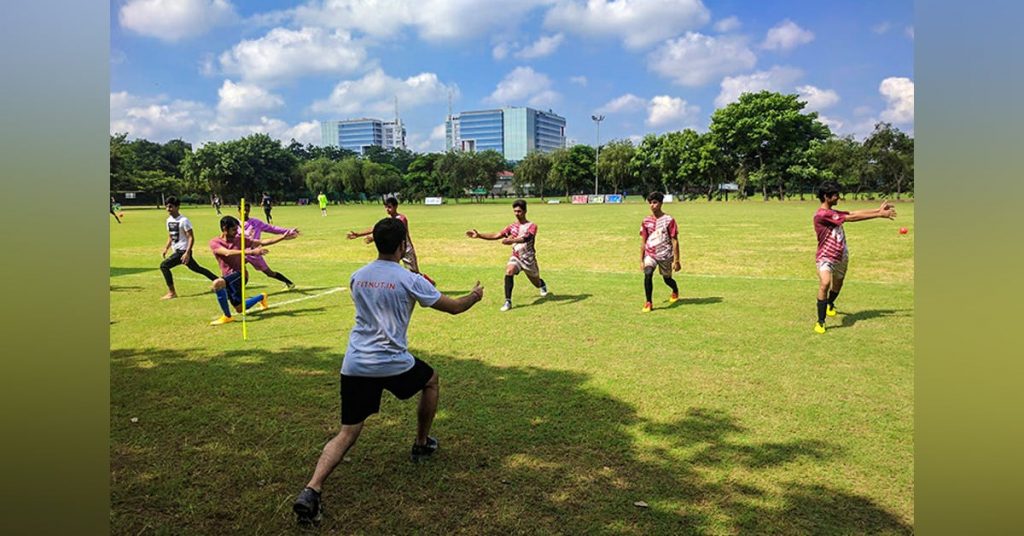
Bootcamps are designed to help you burn calories and lose weight quickly. Bootcamp classes offer a physical and mental challenge that is perfect for people looking to push themselves. Motivation can be hard sometimes when you’re working out on your own. Bootcamp classes are high-energy and motivating, which helps to keep you moving throughout the entire workout.
The Intensity of the exercises helps ensure that you burn calories and fat quickly. The exercises are designed to work all of the major muscle groups in your body and if you attend the class regularly, you’ll start to see a difference in your body within just a few weeks.
6. Beach Training

It sounds pretty idyllic. Sun, a nice ocean breeze, and the melodic sound of waves – the perfect backdrop for workouts.Sand creates an unstable surface for your foot. In order to stabilize yourself during your beach run, your body is forced to use the smaller muscles in your lower body, particularly in your foot and ankle. For most runners, these muscles tend to be weak because we don’t have to use them as much when we run on paved roads. By strengthening these stabilizing muscles on the beach, you guard yourself against potential muscle imbalances and injury.
If you haven’t guessed by now, the extra effort and muscle engagement required to run on the beach means that it burns more calories compared to running on pavement. In fact, studies have shown that running on sand requires about one-and-a-half times more energy compared to running on a hard surface.
7. Hill Training
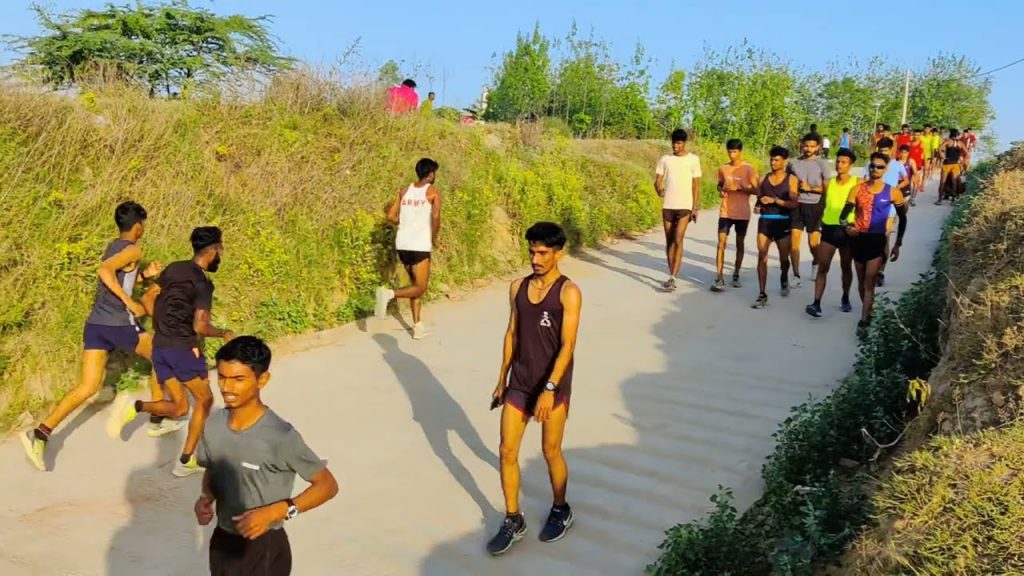
Running hills has many benefits, including increasing your strength, speed, and confidence, as well as relieving boredom.
Hill training builds muscle in your calves, quads, hamstrings, and glutes. You’ll also strengthen your hip flexors, Achilles’ tendons and strengthens these areas more than running on flat surfaces. As a bonus, if you hate doing circuit training or strength training, hills can be a great way to build these muscles through running rather than lifting weights.
Runners can add intensity by speeding up, but hills offer a way to increase intensity while going at the same speed. Your heart rate, respiration, and probably the rate of your perspiration, will go up as you start running uphill.
Another benefit of adding intensity is that you’ll burn more calories when running uphill and you can expect to increase your fat-burning potential by adding hills to your workout.
8. Marathon Training
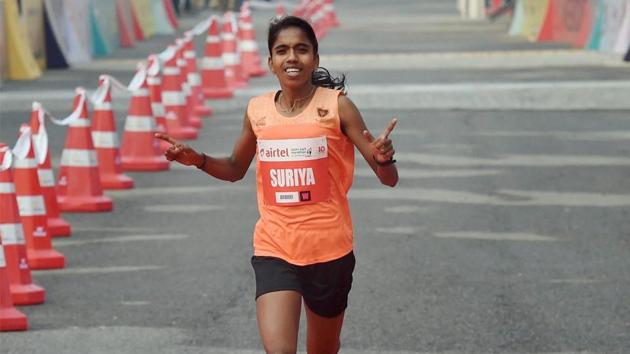
Running a marathon is one of the most physical and rewarding challenges you can set for yourself. After you cross the finish line, you will feel like you can do anything if you put your mind to it.
While training for a marathon can offer many health benefits, it’s important to prepare properly, listen to your body, and consult with a healthcare professional or coach to ensure you’re engaging in appropriate training for your fitness level and health. It is recommended that before anyone begins training for intensive physical activity they should speak with their Healthcare professional and get the go ahead.
Experts recommend that you start marathon training 12 months before the big day and that you take your time to scale up your running, reducing the risk of injury – starting with 5 km and 10 km running, then a half marathon, and finally graduating to running that full marathon.
9. Rehab Training
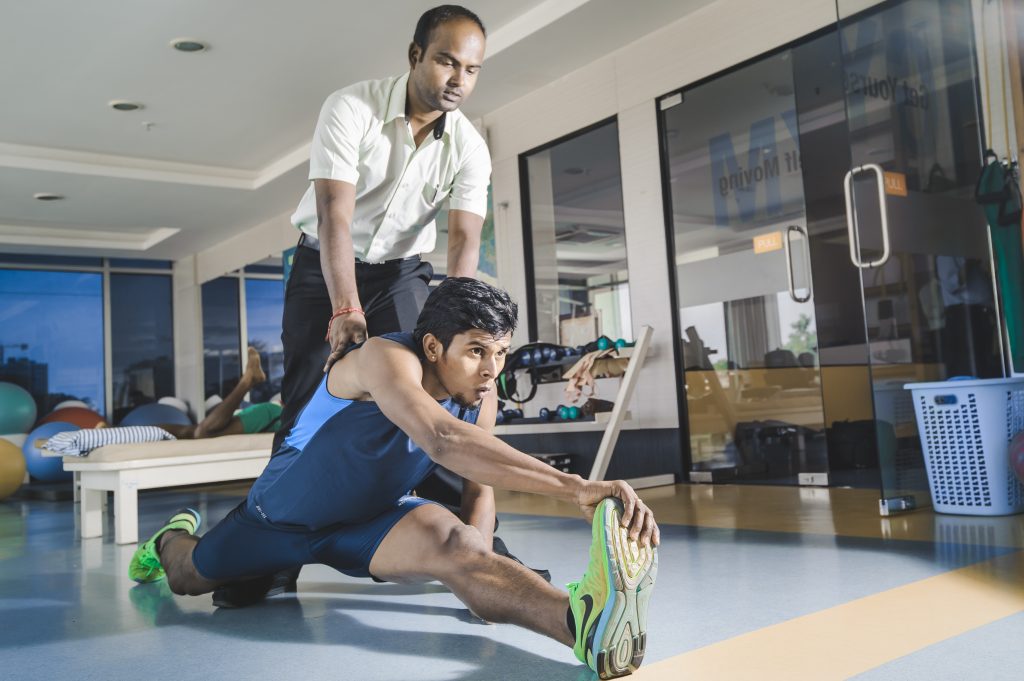
Rehabilitation can reduce the impact of a broad range of health conditions, including diseases (acute or chronic), illnesses or injuries. It complements other health interventions, such as medical and surgical interventions, helping to facilitate recovery and achieve the best outcome possible. In addition, rehabilitation can help to prevent, reduce or manage complications associated with many health conditions, such as in the context of spinal cord injury, stroke, or fractures.
Physical Benefits of Rehabilitation Training
- Increases Physical Capacity
- Ensures healthy lives and promotes well-being for all at all ages
- Reduces Pain
- Strengthens muscles
- Improves balance
- Improves coordination
- Improves flexibility and joint mobility
- Reduces swelling in the affected joints and muscles
- Prevents deformities and limb problems
- Improves gait
- Improves posture
- Reduction of unnecessary complications
- enable a person to return to work, get into work or stay in work reduce the cost of nursing, residential and social care
- reduce the risk of falls
- reduce the costs associated with diabetic care
Enhances your self-confidence and your ability to deal psychologically with your illness or injury. Provides you with greater independence – returns you to your pre-injury state of mental wellbeing
10. Strength Training

Strength training is a type of exercise intended to help increase muscular strength to enable the body to perform daily tasks, prevent injury and improve overall health
The body requires regular maintenance for optimal health. It’s especially important to build and maintain strong muscles, as one’s risk of bone loss and fractures increases with age. While aerobic exercise strengthens the heart and lungs, strength training helps increase stamina and protects the bones and joints from injury.
Strength training can help you manage or lose weight, and it can increase your metabolism to help you burn more calories. Enhance your quality of life and building muscle also can contribute to better balance and may reduce your risk of falls. This can help you maintain independence as you age.
11. Mobility Training
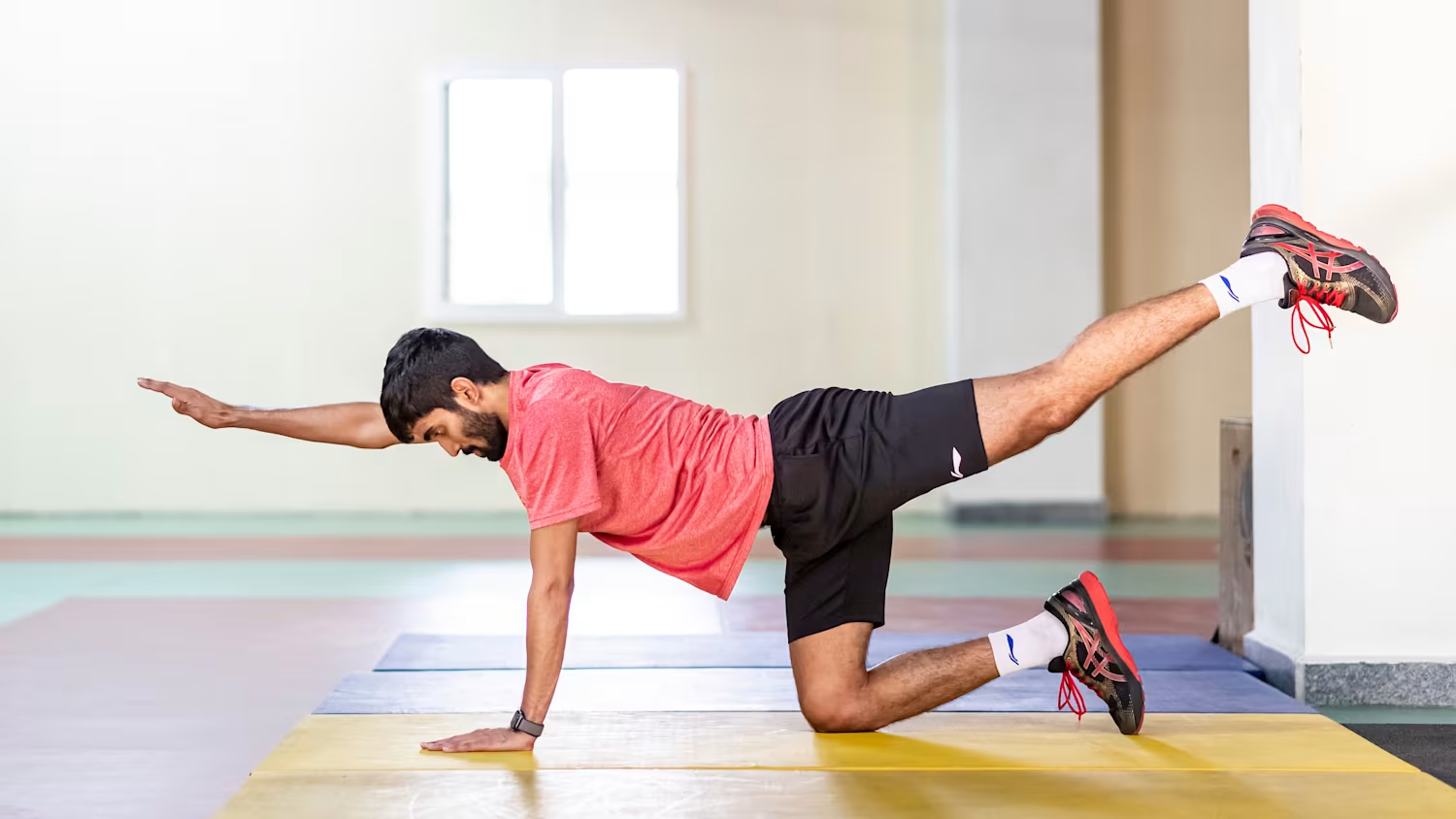
The best Mobility exercises to improve your range of motion and help nix aches and pains. Not only does it allow you to move more freely and comfortably, but it also comes with a slew of major rewards like injury prevention, muscle activation, and decreased tightness.
Simply put, mobility is the ability to move your body freely and easily and Without mobility, we can be limited with our performance in day-to-day activities but how much range your joints have also impacts recreational activities like hiking, swimming, or dancing.
12. Flexibility Training

Flexibility exercise is one of the four types of exercise along with strength, balance and endurance. Ideally, a healthy workout routine would include all four types of exercise.
Flexibility exercises stretch your muscles and can help your body move and bend easier. These exercises may not improve your endurance or strength, but being flexible gives you more freedom of movement for other exercise as well as for everyday activities. It may also help you avoid discomfort when confined in a space for a long period of time, such as a long meeting or a plane flight.
13. Speed Training

Speed training by runners and athletes to boost their performance, speed training programs include a variety of exercises designed to improve acceleration, deceleration, quickness, and change of direction. Speed training can also help the body learn to recruit different muscle fibers, which can help lessen fatigue during long runs or athletic activity.
Being fast can help you quickly accelerate, stop, and change direction when necessary. Speed training trains the body to react quickly to avoid injury.
Much like high-intensity interval training (HIIT), speed training quickly and efficiently raises your heart rate, burns calories, and promotes total body wellness.
14. Endurance Training

Endurance training describes any type of athletic training that increases your body’s cardiovascular or muscular endurance. Endurance training helps develop the body’s respiratory capabilities and muscular strength to sustain physical activity with lower injury risks for extended periods.
Cardiovascular endurance training focuses on aerobic exercise, which includes activities that improve the way your body uses its oxygen supply to give you energy for sports performance. Muscular endurance training trains your muscles to handle increasingly strenuous use for longer periods.
Endurance exercise is one of the four types of exercise along with strength, balance and flexibility. Ideally, all four types of exercise would be included in a healthy workout routine.
15. Civil Services physical Fitness Training
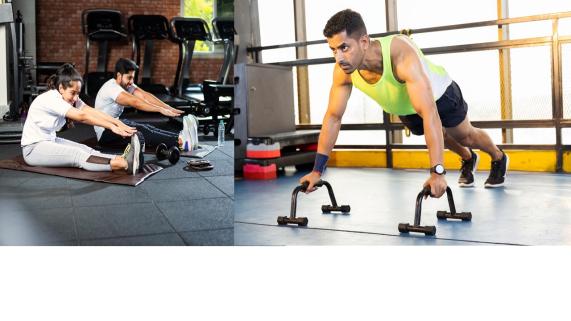
The Civil service officer bears immense responsibilities. Therefore, an aspirant need to be physically fit and mentally agile to handle the demanding nature of the job. Apart from preparing for the UPSC Civil Services Exam, candidates should also focus on their fitness.
Only a candidate with a sound mind and body can overcome all difficulties and point them in the proper direction.
The physical eligibility requirements for Civil services are strict because the job can be physically demanding and challenging. They may have to work long hours in difficult conditions, and they may be required to perform physically demanding tasks, such as chasing criminals or apprehending suspects and travelling to remote areas or responding to natural disasters.
We will provide fitness training based on your employment requirements.
16. Sports event Management
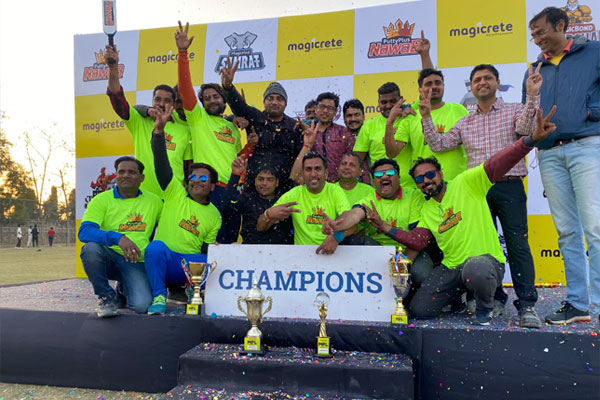
We have made a name for itself among the best event organisers in Chennai by delivering engaging and enthralling experiences for our clients. We have what it takes to create tailored events that delight all stakeholders and everyone attending our events and customizing to their specific requirements. Our team understands the minute details that make an event stand out. Our teams ensure that we align our client’s objectives with the experiences we create through our expert sprots event planning and management services.
We understand that perfect execution demands perfection and an eye for the smallest details. We are committed to building long -term relationships based on trust and transparency.